Materials and Manufacturing Process of Flame-Resistant Boards
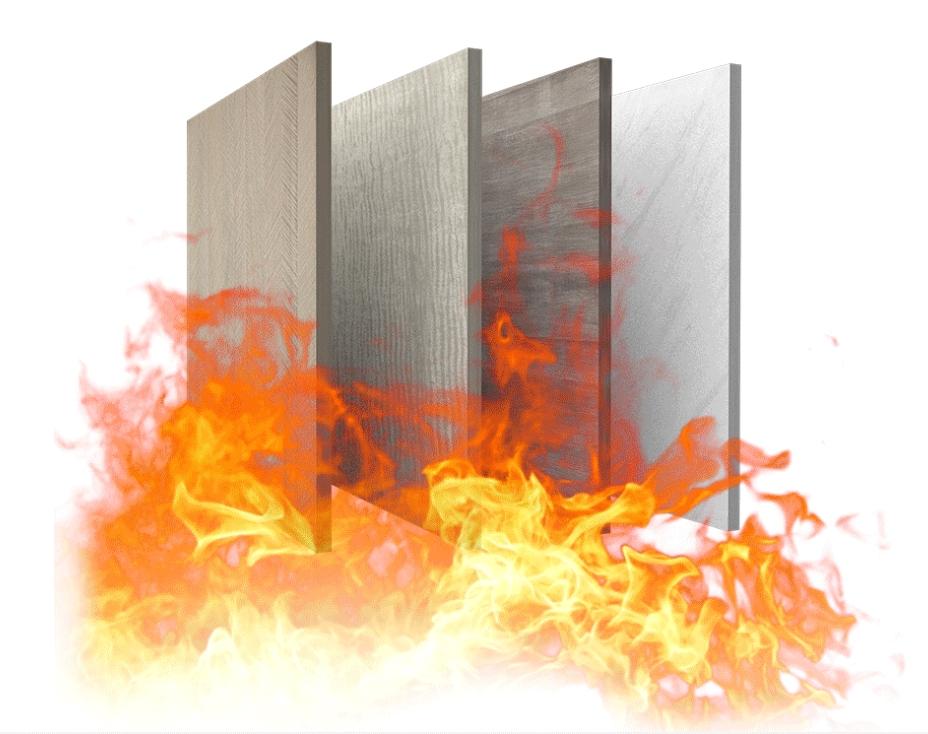
The materials of flame-resistant boards usually include organic and inorganic types. Organic flame-resistant boards are typically made of organic polymer materials containing flame retardants, such as polypropylene, polyester, polycarbonate, etc. Inorganic flame-resistant boards are usually made from inorganic materials such as asbestos, glass fiber, silicates, etc. When selecting materials, it is necessary to consider factors such as the flame-retardant performance, strength, stiffness, and weather resistance of the materials, and to make a selection based on the actual application environment.
The manufacturing processes of flame-retardant boards mainly include the following methods:
1. Pressing Method: Heat the flame-retardant material until softened, then place it into a mold for pressing, forming it into sheet form.
2. Stretching Method: Heat the flame-retardant material, then use a stretching method to draw it into thin sheets.
3. Spraying Method: Apply the flame retardant onto the surface of the substrate by spraying to form a flame-retardant layer.
4. Composite Method: Combine the flame-retardant material with other materials, such as compounding flame-retardant fibers with resin to form flame-retardant boards.
5. Processing Method: Process ready-made flame-retardant materials through cutting, drilling, riveting, and other techniques to form different shapes and sizes of flame-retardant boards. When manufacturing flame-retardant boards, it is necessary to strictly follow production standards and requirements to ensure the quality and performance of the boards meet relevant standards. Additionally, in actual applications, attention should be paid to the installation and maintenance of flame-retardant boards to ensure their flame-retardant effectiveness and service life.


